


jilipub | Exploring the World of Strategy Games: A Deep Dive into the Genre
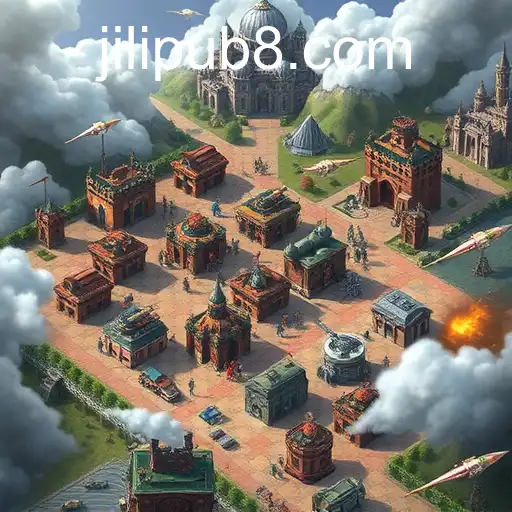
In the vast and varied landscape of video games, the strategy genre holds a unique place, challenging players with its demand for critical thinking, foresight, and decision-making prowess. Whether you're building vast empires, orchestrating military campaigns, or solving complex puzzles, strategy games offer a deeply engaging experience that can be as rewarding as it is challenging.
Strategy games have been a staple in gaming since the early days of the genre. They're characterized by their focus on strategic, tactical, or logistical challenges that require players to plan ahead and think critically. Unlike many other genres, strategy games often involve complex scenarios where the outcome is determined by the player's decisions and strategies rather than mere luck or reflexes.
The strategy genre is broad, encompassing various subgenres that cater to different tastes and preferences. Real-time strategy (RTS) games like "StarCraft" and "Age of Empires" demand quick thinking and rapid decision-making, as players must manage resources, build units, and engage in combat in real-time. On the other hand, turn-based strategy games, such as "Civilization" and "XCOM," allow players to take their time, plan their moves, and execute their strategies at their own pace.
One of the defining features of strategy games is their emphasis on resource management. Players are often tasked with managing a multitude of resources, balancing economic growth, military strength, and technological advancement to achieve their goals. This aspect of gameplay introduces a layer of complexity that relies heavily on the player's ability to prioritize and allocate resources effectively.
The appeal of strategy games lies in their ability to provide a deeply immersive and intellectually stimulating experience. They reward players for carefully planning and executing strategies, often requiring adaptation and flexibility as new challenges and opportunities arise. This makes each playthrough a unique experience, as players must constantly reassess their strategies based on evolving game conditions.
The online community surrounding strategy games is another important aspect of their appeal. Gamers from around the world connect to share tips, strategies, and experiences, fostering a vibrant community that continuously drives the genre forward. The competitive nature of many strategy games also leads to the development of thriving eSports scenes, where players face off in high-stakes competitions.
In conclusion, strategy games offer a rich, engaging experience that challenges players to think critically and strategically. With their wide range of subgenres and complex gameplay mechanics, they continue to captivate players around the globe. Whether you're a seasoned strategist or a newcomer to the genre, the world of strategy games promises endless opportunities for challenge and growth.
